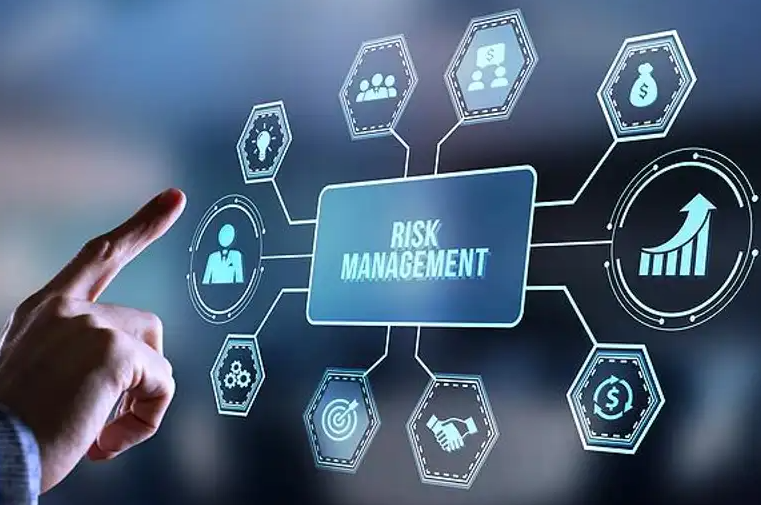
Technology has transformed risk management by enhancing the ways organizations identify, assess, and mitigate risks. Advanced data analytics provide insights into potential vulnerabilities, while artificial intelligence streamlines risk assessment processes. Real-time monitoring further equips businesses to respond to threats promptly. As these tools evolve, they raise critical questions about their impact on strategic decision-making and organizational resilience. What implications do these advancements hold for the future of risk management?
Identifying Risks With Data Analytics: Key Techniques
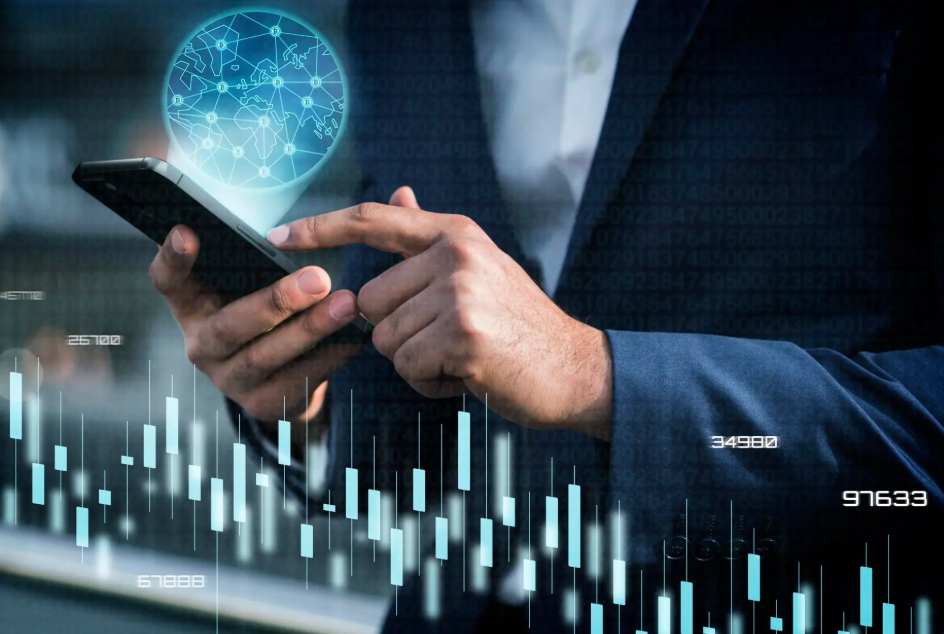
Identifying risks through data analytics has become an indispensable practice in modern risk management.
Effective risk detection techniques, such as regression analysis and anomaly detection, enable organizations to uncover vulnerabilities.
Predictive analytics applications further enhance this process by forecasting potential risks based on historical data patterns.
This analytical approach empowers decision-makers, fostering an environment where informed choices lead to greater freedom from unforeseen threats.
See also: The Future of Mobile Interaction
The Role of Artificial Intelligence in Risk Assessment
As organizations increasingly adopt advanced technologies, artificial intelligence (AI) has emerged as a pivotal tool in risk assessment processes.
By leveraging machine learning algorithms, AI enhances predictive modeling capabilities, enabling firms to identify potential risks with greater accuracy.
This data-driven approach not only streamlines risk evaluation but also empowers decision-makers to act proactively, thereby mitigating potential threats to organizational freedom and stability.
How Real-Time Monitoring Changes the Game for Risk Mitigation
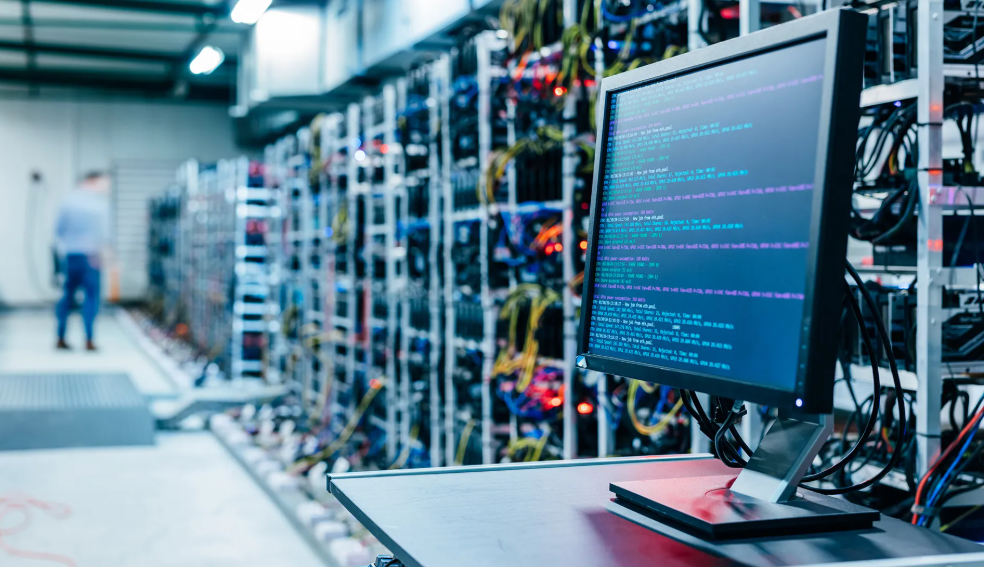
Real-time monitoring has fundamentally transformed risk mitigation strategies across various sectors by enabling organizations to detect and respond to threats instantaneously.
With the integration of predictive analytics, companies can anticipate potential risks, enhancing their preparedness.
Real-time alerts facilitate immediate action, minimizing the impact of unforeseen events.
This shift empowers organizations to maintain operational integrity while navigating an increasingly complex risk landscape.
Technology in Strategic Risk Management
While traditional risk management often relied on historical data and reactive measures, the advent of technology has revolutionized strategic risk management by introducing sophisticated tools and frameworks.
Technological integration facilitates real-time data analysis, enhancing strategic planning processes. Organizations can now proactively identify and assess risks, fostering a culture of resilience and adaptability that empowers decision-makers to navigate uncertainties with greater confidence and precision.
Conclusion
In conclusion, the integration of technology into risk management practices significantly enhances an organization’s ability to navigate uncertainties. For instance, companies utilizing advanced data analytics have reported a 30% improvement in risk identification accuracy. This statistic underscores the transformative potential of technology in identifying and assessing risks, enabling businesses to adopt a proactive approach. By leveraging these tools, organizations not only safeguard their operational integrity but also foster resilience, ensuring adaptability in an increasingly complex environment.