Technology has fundamentally transformed the creative industries, offering new avenues for artistic expression and collaboration. Digital tools have enabled artists to experiment with various mediums and connect with peers across the globe. However, the integration of advanced technologies like virtual reality and artificial intelligence poses unique challenges. As the landscape continues to evolve, understanding how to navigate these complexities becomes essential for creators aiming to leverage technology effectively. What strategies can artists employ to adapt and thrive?
How Technology Boosts Artistic Creativity
As technology continues to evolve, it increasingly fosters artistic creativity by providing innovative tools and platforms that expand the boundaries of traditional art forms.
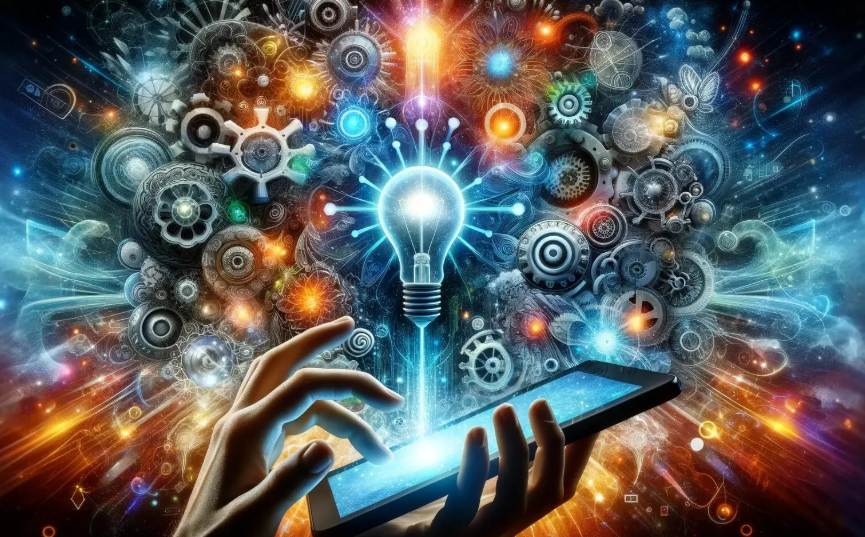
Digital inspiration now fuels artistic expression, allowing creators to explore diverse mediums. Software applications and online resources enable experimentation and collaboration, empowering artists to break free from conventional constraints and redefine their craft, ultimately enriching the creative landscape.
See also: The Role of Technology in Digital Identity
The Impact of Digital Tools on Collaboration
While traditional collaboration often relied on in-person interactions and physical materials, digital tools have revolutionized the way artists and creatives connect and collaborate.
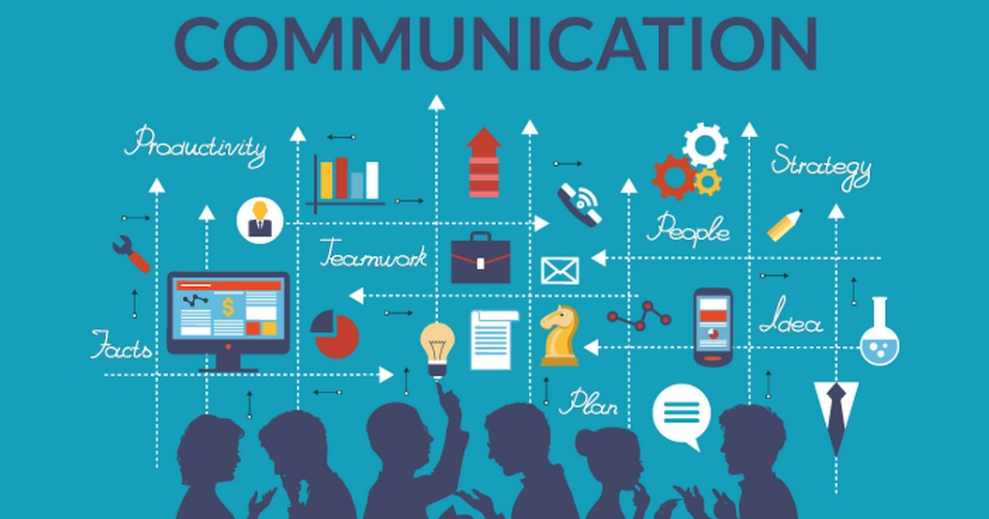
Virtual teamwork fosters diverse perspectives, enabling seamless communication across geographies. Cloud collaboration platforms allow multiple contributors to access and modify projects simultaneously, enhancing creativity and efficiency.
This shift empowers creatives to transcend limitations, embracing a more fluid and dynamic collaborative process.
Current and Emerging Technologies in Creative Work
How do current and emerging technologies shape the landscape of creative work?
Virtual reality and artificial intelligence are revolutionizing creative processes, enabling artists to explore immersive environments and automate repetitive tasks.
These technologies empower creators to push boundaries, enhance collaboration, and foster innovation.
Overcoming Challenges in Creative Technology
Although advancements in technology have greatly enriched the creative landscape, significant challenges remain for artists and creators seeking to integrate these tools effectively.
Virtual reality offers immersive experiences, yet mastering this medium can be daunting. Additionally, crafting compelling interactive storytelling requires a nuanced understanding of audience engagement.
Overcoming these hurdles necessitates continuous learning and adaptability, empowering creators to harness technology’s full potential.
Conclusion
In conclusion, while technology undeniably amplifies creativity and collaboration within the arts, it also presents a daunting challenge for many artists. As they navigate this intricate landscape, the question looms: will they adapt and thrive, or will the rapid pace of innovation leave them behind? The future of creative industries hinges on the ability of artists to embrace these technological advancements, suggesting that only those willing to evolve will unlock the full potential of their artistic expression.