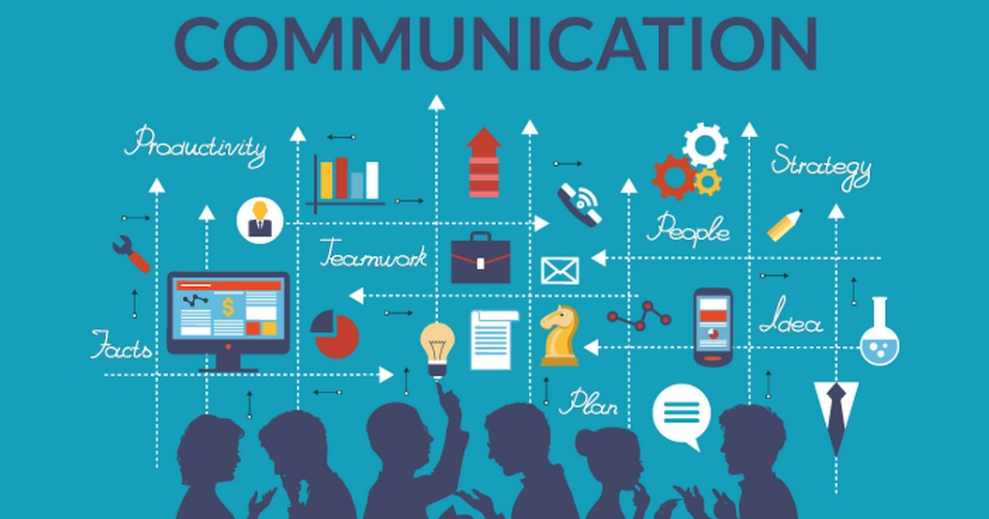
The emergence of the knowledge economy marks a significant shift in how businesses operate and compete. Technology serves as the backbone of this transformation, facilitating innovation and efficiency. Organizations increasingly rely on data analytics and artificial intelligence to inform decisions. As remote collaboration becomes commonplace, adaptability and continuous learning rise in importance. Understanding these dynamics raises critical questions: How will technology continue to shape the future of work and the economy?
What Is the Knowledge Economy and Why Does It Matter?
The concept of the knowledge economy represents a paradigm shift in how value is created and sustained in modern societies.
Central to this transformation is the emphasis on knowledge creation and effective information management. As ideas and information become the primary resources, organizations must adapt to harness these assets, fostering innovation and enhancing productivity.
This evolution underlines the importance of empowering individuals in a rapidly changing landscape.
Se also: Technology and Social Responsibility
Essential Digital Skills for Thriving in the Knowledge Economy
As individuals navigate the complexities of the knowledge economy, possessing essential digital skills becomes critical for success.
Digital literacy enables effective communication and information management, while data analysis empowers individuals to interpret trends and make informed decisions.
Mastering these skills fosters adaptability and innovation, essential traits in a rapidly evolving landscape, ultimately enhancing personal and professional growth in a competitive environment.
The Role of Technology in Driving Innovation and Growth
In the knowledge economy, technology serves as a catalyst for innovation and growth, reshaping industries and redefining competitive landscapes.
Disruptive technologies foster dynamic innovation ecosystems, enabling organizations to respond rapidly to market changes.
Emerging Technological Trends Shaping the Knowledge Economy
Transforming the landscape of the knowledge economy, emerging technological trends are redefining how businesses operate and compete.
AI advancements enhance decision-making processes, while data analytics drive insights and efficiency.
Remote collaboration tools empower teams to work seamlessly across distances, fostering innovation.
Additionally, a focus on digital literacy ensures that individuals can navigate these technologies, promoting a more adaptable and informed workforce in this evolving economy.
Conclusion
In conclusion, the knowledge economy is fundamentally reshaping how businesses operate and individuals engage with information. With 85% of jobs requiring digital skills by 2030, the demand for technological proficiency is more critical than ever. As organizations integrate advanced technologies, they not only enhance productivity but also foster innovation and adaptability. This transformation underscores the importance of embracing continuous learning and equipping oneself with essential digital skills to thrive in an increasingly interconnected and knowledge-driven world.